What makes poker a game of skill over luck in casinos?
The Strategic Depth of Poker
One of the fundamental aspects that positions poker as a game of skill is its profound strategic depth. Unlike purely luck-based games, poker requires players to evaluate not only their own hands but also the potential hands of their opponents. This involves assessing the game’s situations and recognizing patterns in opponents’ behavior, which are often influenced by their previous experiences and styles of play. Many players enjoy testing their skills at various platforms, including those that offer crypto casino instant withdrawal options, as they develop strategies that can adapt over time based on the dynamics of their opponents, which demonstrates the importance of critical thinking in the game.
Moreover, the use of probability and statistics further emphasizes poker’s nature as a skill game. Players must calculate odds and potential outcomes based on the cards presented. For instance, understanding the statistical likelihood of drawing certain cards or the chances of winning a hand can determine whether a player should call, raise, or fold. While luck initially dictates the cards one receives, the true test lies in how players utilize their knowledge and analytical skills to improve their positions throughout the game.
Additionally, expert poker players often utilize various tactics, such as bluffing and deception. The ability to read opponents and determine when to implement these strategies can significantly influence the outcome of a game. Effective communication and psychological gameplay become vital, reinforcing how skill allows players to manipulate not only their hands but also the perceptions and reactions of their opponents, a concept rarely found in games dominated by chance.
The Role of Psychological Factors
In poker, psychology plays a crucial role, further distinguishing it from games that rely solely on luck. Players must navigate their own emotions as well as those of others at the table. This interaction creates a rich environment where psychological warfare is a central tenet. A skilled player can exploit their opponents’ emotional states, using tactics such as intimidation or feigned weakness to manipulate decisions. Understanding human psychology is essential to gaining an edge in poker, highlighting the skill involved in mastering the game.
Moreover, the ability to maintain a “poker face” — an expressionless demeanor — is paramount in safeguarding one’s strategy. Players who can conceal their reactions, whether they hold a strong hand or a weak one, can effectively control the flow of the game. This psychological element extends beyond mere facial expressions; it encompasses body language and verbal cues. The nuanced understanding of these factors showcases how experienced players rely heavily on psychological skills to outmaneuver opponents.
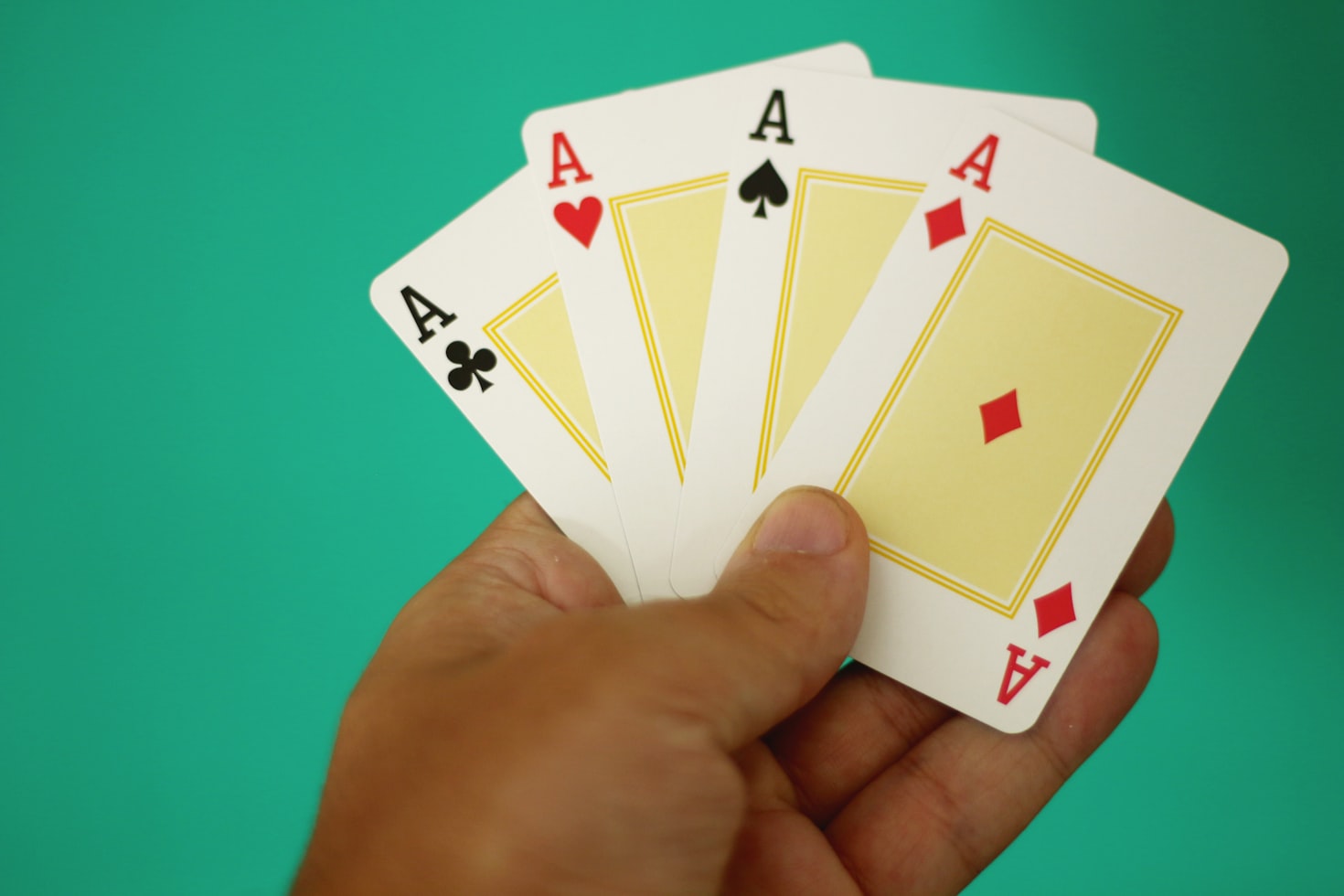
The meta-game of poker also emphasizes psychological tactics. Players often engage in mind games, attempting to predict and influence other players’ actions through their own decisions. For example, a player may intentionally create a bluff that causes opponents to second-guess their own strategies, leading them to fold or bet inappropriately. Such manipulation of perception requires a high level of skill and insight, reinforcing the notion that poker is as much a battle of wits as it is a card game.
Experience and Skill Development
Experience plays a pivotal role in developing the skill set necessary to excel at poker. Unlike many traditional casino games that may offer immediate gratification through luck-based wins, poker rewards consistent practice and learning. Veteran players build upon their experiences, analyzing past games to refine their strategies, making adjustments based on what worked or did not. This process of continuous learning exemplifies the skill-oriented nature of poker, as players must remain open to evolving their techniques as the game progresses.
In addition to practical experience, many players delve into studying poker theory and concepts. Books, tutorials, and strategy videos provide invaluable insight into advanced tactics and strategies that can elevate a player’s game. For instance, understanding concepts like pot odds, implied odds, and expected value is essential for making informed decisions during play. As such, this educational effort distinguishes poker from games of chance, which typically do not require extensive learning or strategic preparation.
The presence of various poker variants also contributes to the skill development aspect. Each variant presents its own unique set of rules and strategies, requiring players to adapt and learn continuously. Whether engaging in Texas Hold’em or Omaha, players must develop a flexible skill set to navigate different challenges. The ability to learn and adapt quickly reinforces how poker transcends mere luck, solidifying its status as a skill-driven endeavor.
The Impact of Player Decision-Making
Player decision-making is a fundamental element that distinguishes poker as a skill-intensive game. Every action — whether to call, raise, or fold — has significant implications for the game’s outcome. Skilled players weigh their options carefully, considering both their current hand and the potential hands of their opponents. This analytical approach is vital in tournament settings where the stakes can vary dramatically based on preceding rounds. The ability to make logical, informed decisions is a hallmark of a true poker expert.
Additionally, the concept of risk management is integral to player decision-making in poker. Understanding when to take calculated risks can often determine success. For instance, a proficient player may choose to go all-in in a situation where they believe their hand has a substantial advantage, while a novice might shy away from similar risks due to a lack of experience or confidence. This differentiation showcases how skilled players can manage their resources effectively, emphasizing their ability to control the game’s pace and direction.
Furthermore, adaptability is a crucial aspect of decision-making in poker. Skilled players can adjust their strategies based on the evolving dynamics of the table and the actions of their opponents. A player might recognize when to shift from a conservative approach to a more aggressive strategy, exploiting opportunities as they arise. This ability to modify play style is not reliant on luck but rather reflects a player’s expertise and understanding of complex game mechanics.
Exploring More about Poker Skills
For those eager to deepen their understanding of poker and enhance their skills, there are numerous resources available. Online platforms often provide a wealth of information about poker strategies, professional players, and forums where enthusiasts can discuss techniques and share experiences. Many individuals find that engaging with these communities can provide valuable insights and novel approaches to the game.
Furthermore, local poker clubs and organized tournaments can present opportunities for players to practice their skills in a competitive environment, allowing them to apply their knowledge and refine their strategies. Face-to-face interaction with experienced opponents can lead to significant learning experiences, as players can observe and adapt to different playing styles in real-time.
Ultimately, poker is a game that thrives on skill, strategy, and psychological insight rather than mere luck. The rich tapestry of experiences and the continuous journey of learning make poker a fascinating pursuit for players of all levels. Embracing the challenge can lead to profound satisfaction and growth in one’s abilities, transforming the way individuals perceive and engage with games of chance and skill.